NDMC School Counselors Attend 60th PGCA Midyear Conference to Strengthen Guidance Programs
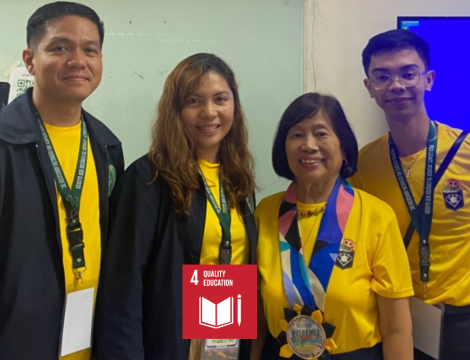
The 60th PGCA Midyear Conference was held on October 23–24, 2025 at Bohol Tropics Resort in Tagbilaran City, Bohol, drawing guidance counselors, educators, and mental-health practitioners from across the country. With a lineup of expert speakers from Philippine Guidance and Counselling Association (PGCA) and other invited professionals, the conference focused on evolving standards in counseling, emerging mental-health trends, and methods to improve school-based guidance services. Participants attended plenary sessions, workshops, and collaborative discussions to update their knowledge and skills.
Seminar topics covered a wide range of relevant issues: updates on counseling practice in the Philippines; ethical and legal standards for counselors; contemporary mental-health challenges among learners and communities; innovative counseling methods and intervention models; and developing robust school-based mental-health programs. The conference also addressed the counselor’s professional identity, resilience, and self-care—key to sustaining long-term service delivery.
The discussions brought significant insights. First, the evolving mental-health needs of students—particularly in the post-pandemic context—highlighted the necessity for culturally sensitive, inclusive, and evidence-based counseling approaches. Second, interprofessional collaboration and community involvement emerged as essential, reinforcing the counselor’s role not just within school walls but within broader community structures. Third, the focus on counselor well-being, self-care, and professional resilience underscored how critical it is for mental-health workers to maintain personal wellness in order to serve effectively.
In response, concrete action plans have been proposed to apply the lessons learned at NDMC: strengthening the guidance and mental-health program by integrating updated intervention models; enhancing collaboration among teachers, administrators, and community stakeholders; implementing structured counseling strategies and improved documentation; launching student-centered activities such as mental-health awareness campaigns, stress-management workshops, and career-development sessions; and scheduling echo sessions and training for staff to ensure shared understanding and consistent implementation.